FATEHPUR SIKRI

The Ghost Capital of the Mughal Empire

Agra, Uttar Pradesh UNESCO World Heritage Site Mughal Capital (1571–1585)

A city frozen in time

Discover
Fatehpur Sikri

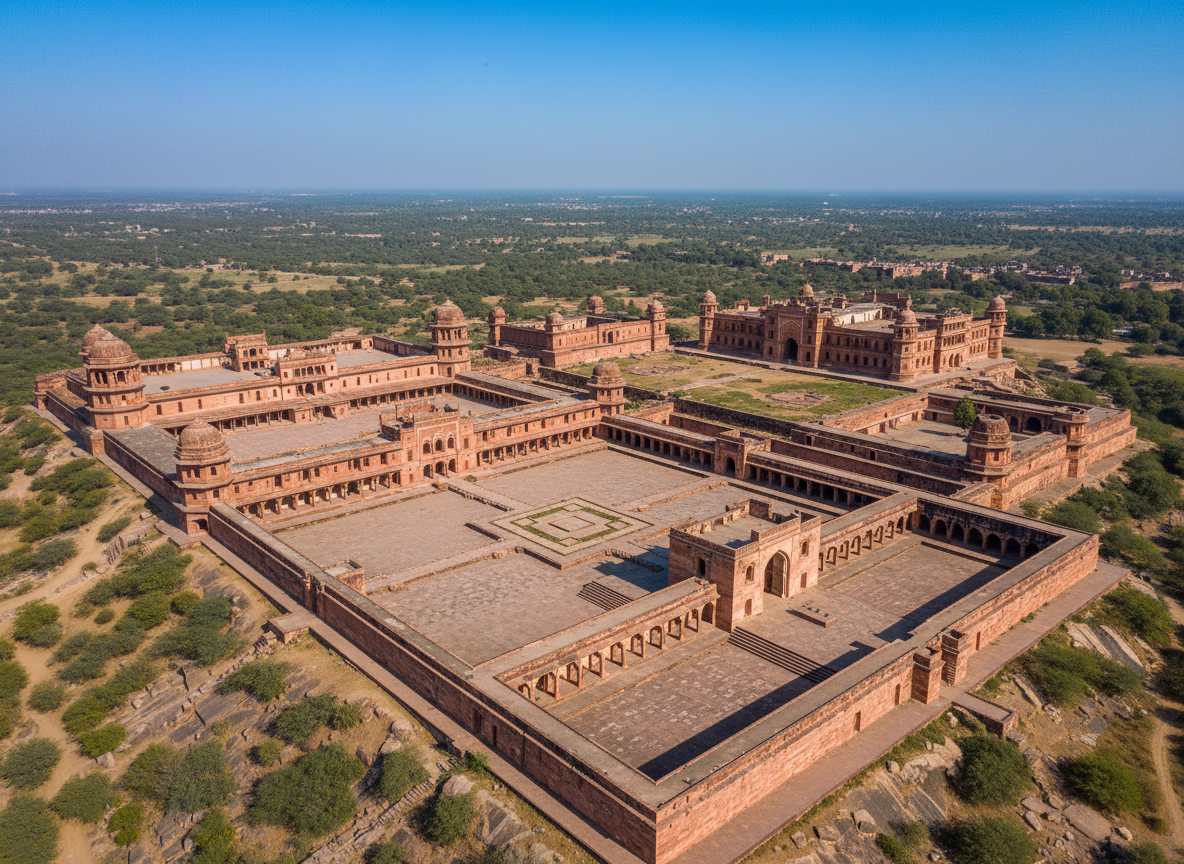
Fatehpur Sikri, meaning "City of Victory," is a stunning example of Mughal architecture located 37 kilometres from Agra. Founded in 1571 by Emperor Akbar, it served as the capital of the Mughal Empire for 14 years before being mysteriously abandoned in 1585, reportedly due to water scarcity. The city remains remarkably well-preserved, offering visitors a glimpse into the grandeur of Akbar's court.

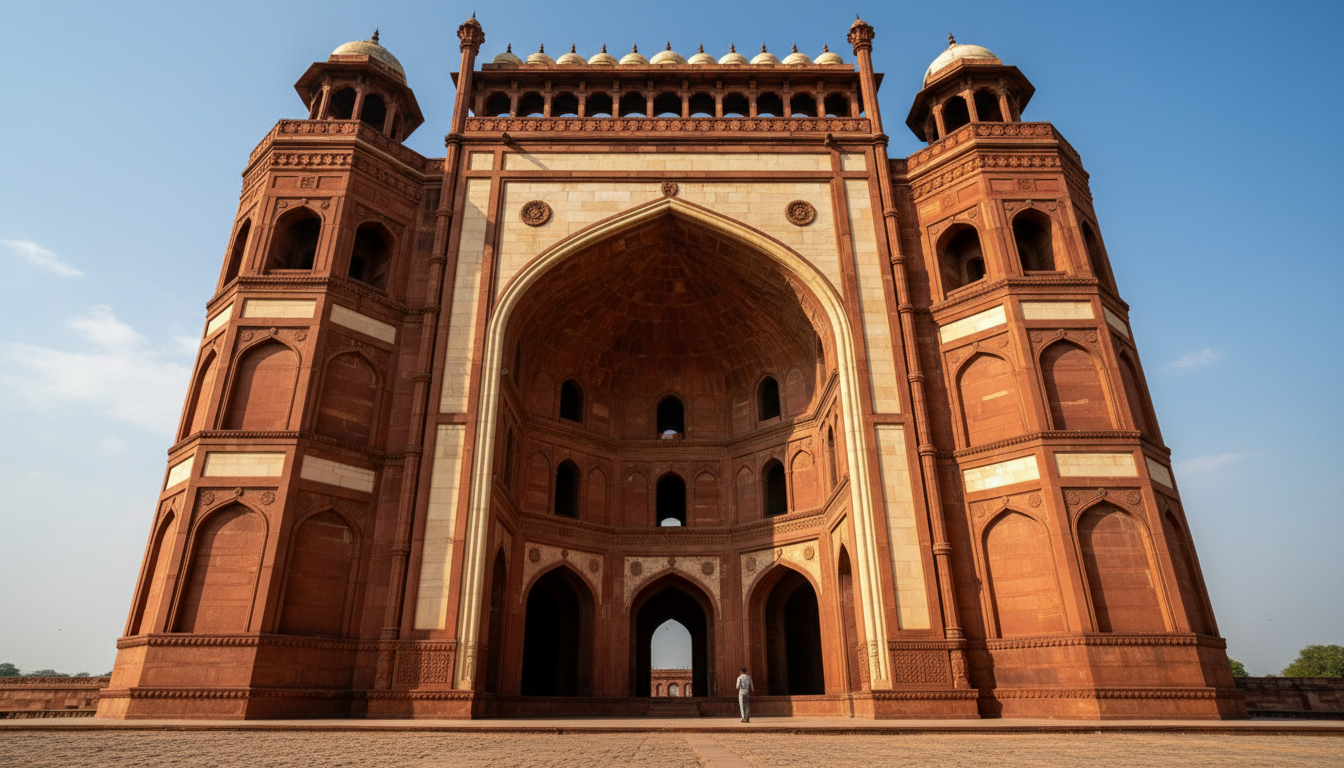
The UNESCO World Heritage Site is a masterful blend of Hindu, Islamic, and Jain architectural styles, reflecting Akbar's philosophy of religious tolerance and cultural synthesis. The complex includes palaces, courtyards, mosques, and the magnificent Buland Darwaza — the tallest gateway in the world at 54 metres. Often called the "ghost city," Fatehpur Sikri stands as one of the best-preserved examples of Mughal urban planning and architecture.

PLAN YOUR VISIT
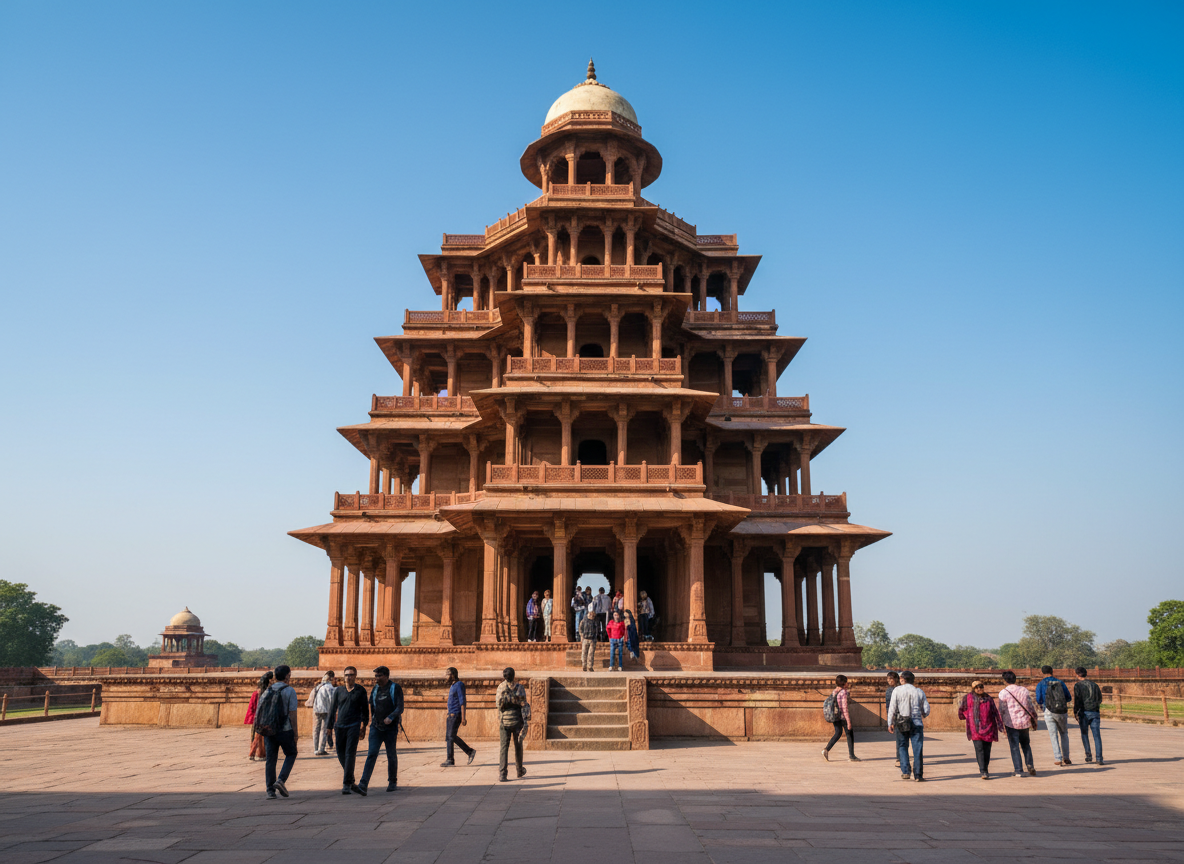
Fatehpur Sikri Panch Mahal five-storey palace
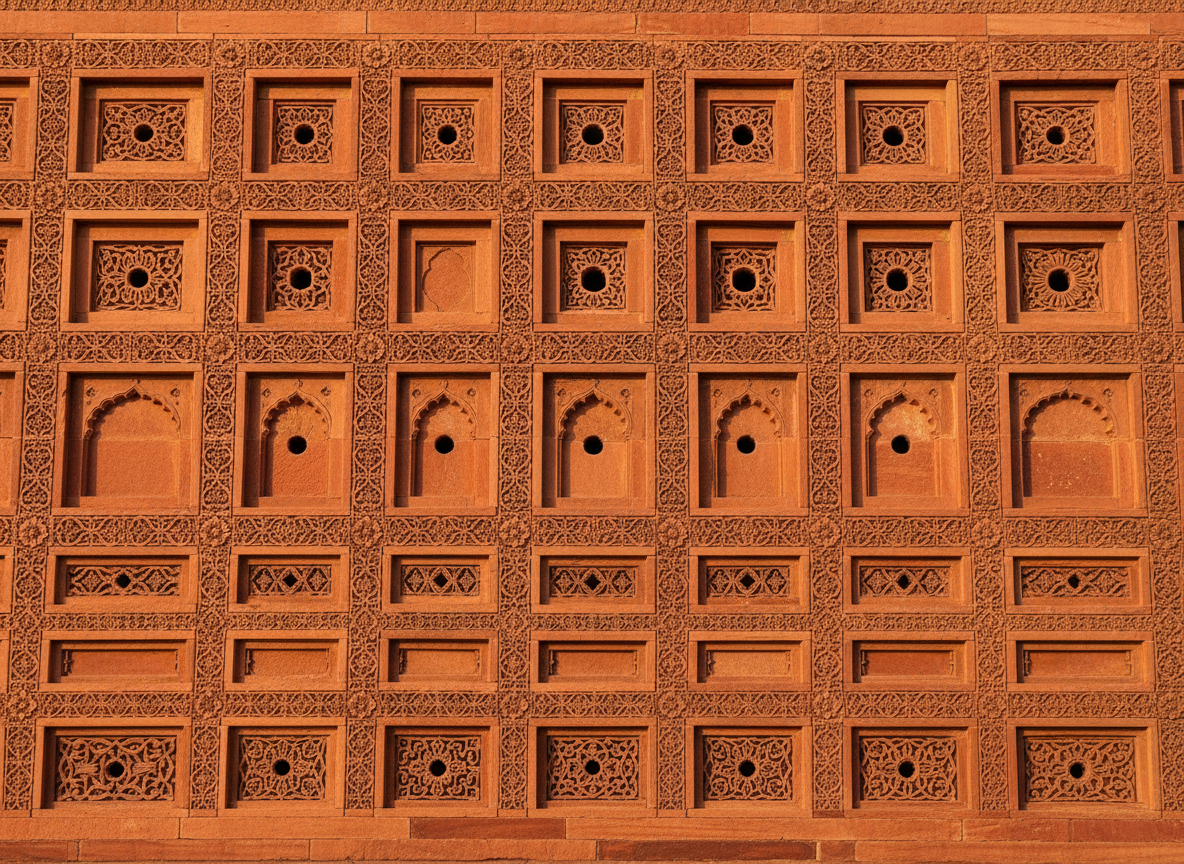
Intricate carved red sandstone details at Fatehpur Sikri
Aerial view of Fatehpur Sikri complex

AKBAR'S VISION

Fatehpur Sikri represents Emperor Akbar's grand vision of a perfect capital city. Built between 1571 and 1585, the city was designed as a synthesis of Hindu, Islamic, and Jain architectural traditions — reflecting Akbar's famous policy of religious tolerance (Sulh-e-Kul). The complex spans over 6 kilometres and includes the royal palace complex, the Jama Masjid, administrative buildings, and residential quarters. The red sandstone structures are adorned with exquisite carvings that blend Persian, Indian, and Central Asian artistic traditions.

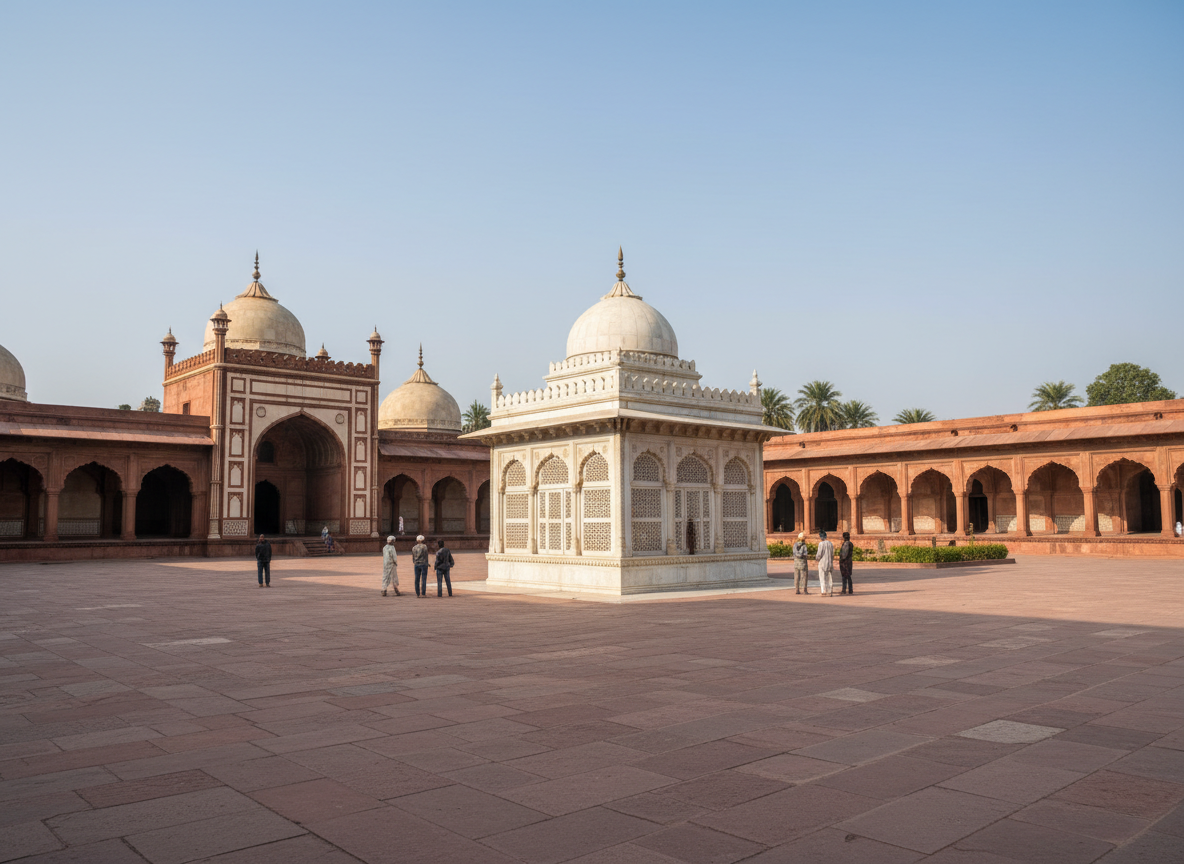
Tomb of Salim Chishti at Fatehpur Sikri

THE CITY OF VICTORY

Akbar built Fatehpur Sikri to honour the Sufi saint Sheikh Salim Chishti, who had predicted the birth of Akbar's heir. After the prophecy came true with the birth of Prince Salim (later Emperor Jahangir), Akbar named the city "Fatehpur" — City of Victory — following his conquest of Gujarat in 1573. The white marble tomb of Salim Chishti within the Jama Masjid courtyard remains one of India's finest examples of marble craftsmanship, with intricate jali (lattice) screens that are considered among the most beautiful in the world.

Our success path

History of
Fatehpur Sikri

From its founding as Akbar's dream capital in 1571 to its recognition as a UNESCO World Heritage Site, Fatehpur Sikri tells the story of one of the most ambitious urban projects in medieval history.

Fatehpur Sikri founded in 1571

1571

Emperor Akbar begins construction of Fatehpur Sikri as his new capital, inspired by the Sufi saint Sheikh Salim Chishti who predicted the birth of his heir. The city is designed to reflect Akbar's vision of religious harmony and architectural excellence.

Buland Darwaza built in 1576

1576

The magnificent Buland Darwaza (Gate of Magnificence) is completed to commemorate Akbar's victory over Gujarat. Standing 54 metres tall, it becomes the tallest gateway in the world — a record it holds to this day. The gateway is adorned with Quranic inscriptions and intricate carvings.

Fatehpur Sikri at its peak in 1580

1580

Fatehpur Sikri reaches its zenith as the thriving capital of the Mughal Empire. The city houses an estimated 500,000 residents, making it larger than contemporary London. The Panch Mahal, Diwan-i-Khas, and other palatial structures host Akbar's famous court of scholars, artists, and musicians.

Fatehpur Sikri abandoned in 1585

1585

Akbar abandons Fatehpur Sikri after just 14 years, reportedly due to severe water scarcity and the need to campaign in the northwest. The city is left virtually intact, becoming a "ghost city" frozen in time — one of history's most remarkable abandoned capitals.

Fatehpur Sikri designated UNESCO World Heritage Site in 1986

1986

Fatehpur Sikri is designated a UNESCO World Heritage Site, recognised as "an outstanding example of Mughal architectural achievement." The Archaeological Survey of India undertakes extensive conservation work to preserve this extraordinary testament to Akbar's vision and the golden age of Mughal architecture.

Explore & experience

Things To Do At
Fatehpur Sikri

01

Buland Darwaza

Marvel at the Buland Darwaza — the tallest gateway in the world at 54 metres. Built to commemorate Akbar's victory over Gujarat, this magnificent red sandstone gateway is adorned with Quranic inscriptions and offers breathtaking views from the top.

02

Salim Chishti's Tomb

Visit the exquisite white marble tomb of Sheikh Salim Chishti within the Jama Masjid courtyard. The intricate marble jali (lattice) screens are considered among the finest in India. Devotees tie threads on the screens to make wishes.

03

Panch Mahal Exploration

Explore the iconic Panch Mahal — a five-storey palatial structure supported by 176 columns, each uniquely carved. This wind-catcher palace was used by the royal ladies and offers panoramic views of the entire Fatehpur Sikri complex.

04

Diwan-i-Khas Visit

Discover the Diwan-i-Khas (Hall of Private Audience) with its remarkable central pillar featuring an elaborate capital connected by walkways to the four corners. This is where Akbar held debates with scholars of different religions.

05

Jama Masjid Prayer

Visit one of India's largest mosques — the Jama Masjid of Fatehpur Sikri. The vast courtyard can accommodate 25,000 worshippers. The mosque is still active and its serene atmosphere offers a peaceful contrast to the bustling tourist areas.

06

Local Craft Shopping

Browse the vibrant local market near Fatehpur Sikri for traditional stone carvings, marble inlay work, and handcrafted souvenirs. Local artisans continue centuries-old traditions, creating beautiful replicas of the monument's intricate designs.

Plan your trip

Visitor
Information

Opening Hours

  • Sunrise to Sunset (daily)
  • Palace Complex: 6:00 AM - 6:00 PM
  • Jama Masjid: Open all day (free entry)
  • Last entry: 30 min before sunset
  • Open all days of the week

Entry Fees (2026)

  • Indian Citizens: ₹50
  • Foreign Tourists: ₹610
  • SAARC/BIMSTEC: ₹310
  • Jama Masjid: Free entry
  • Children (below 15): Free

Best Time to Visit

  • October - March: Best weather (15-25°C)
  • Early Morning: Fewer crowds, soft light
  • Avoid: April-June (extreme heat 40°C+)
  • Monsoon: July-Sept (lush but humid)
  • Allow: 2-3 hours for full exploration

How to Reach

  • From Agra: 37 km (45 min by road)
  • From Delhi: 210 km (3-4 hrs by road)
  • From Jaipur: 195 km (3-4 hrs by road)
  • By Bus: Regular buses from Agra Idgah
  • Local: Auto/taxi from Agra available

Book Your Fatehpur Sikri Tour & Explore The Magnificent Ghost Capital Of The Mughal Empire

BOOK YOUR TOUR NOW