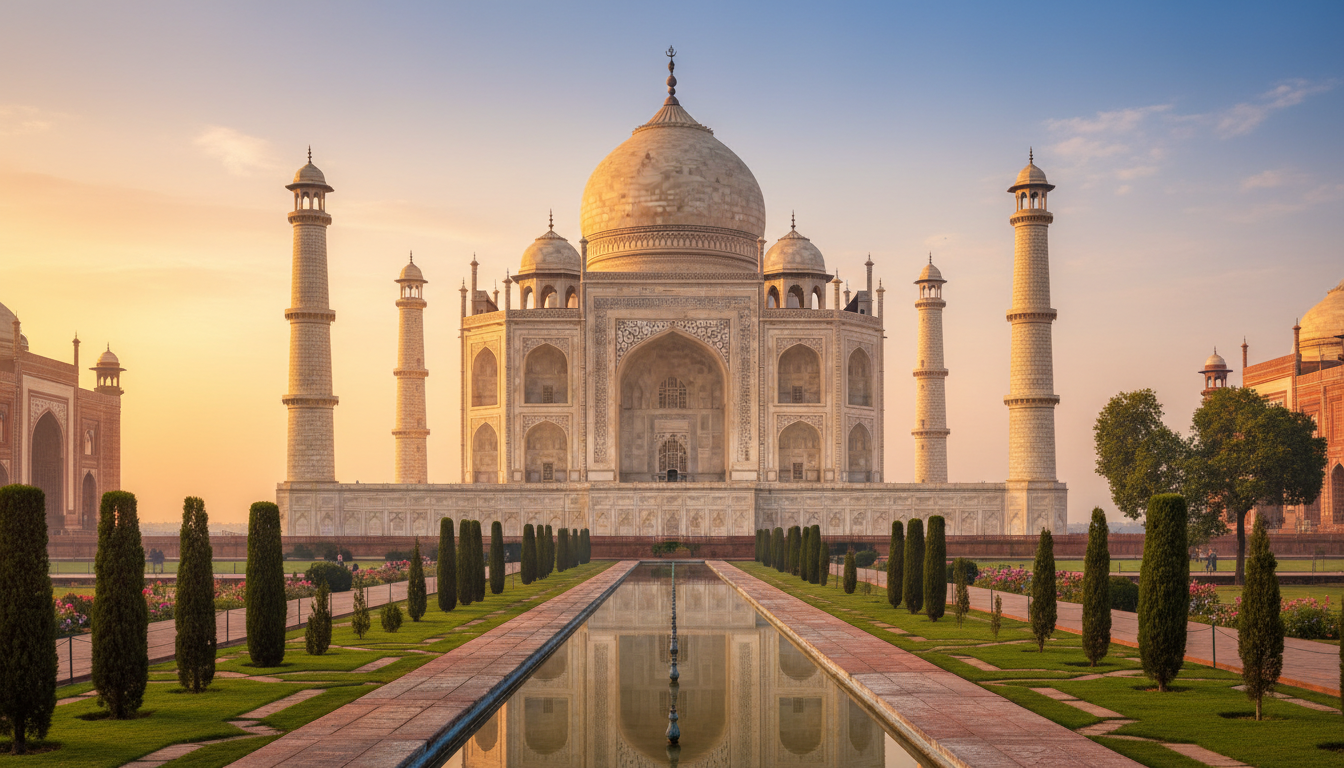
Taj Mahal
The crown jewel of India's heritage, this ivory-white marble mausoleum was built by Emperor Shah Jahan in memory of his beloved wife Mumtaz Mahal. A UNESCO World Heritage Site and one of the New Seven Wonders of the World.
EXPLORE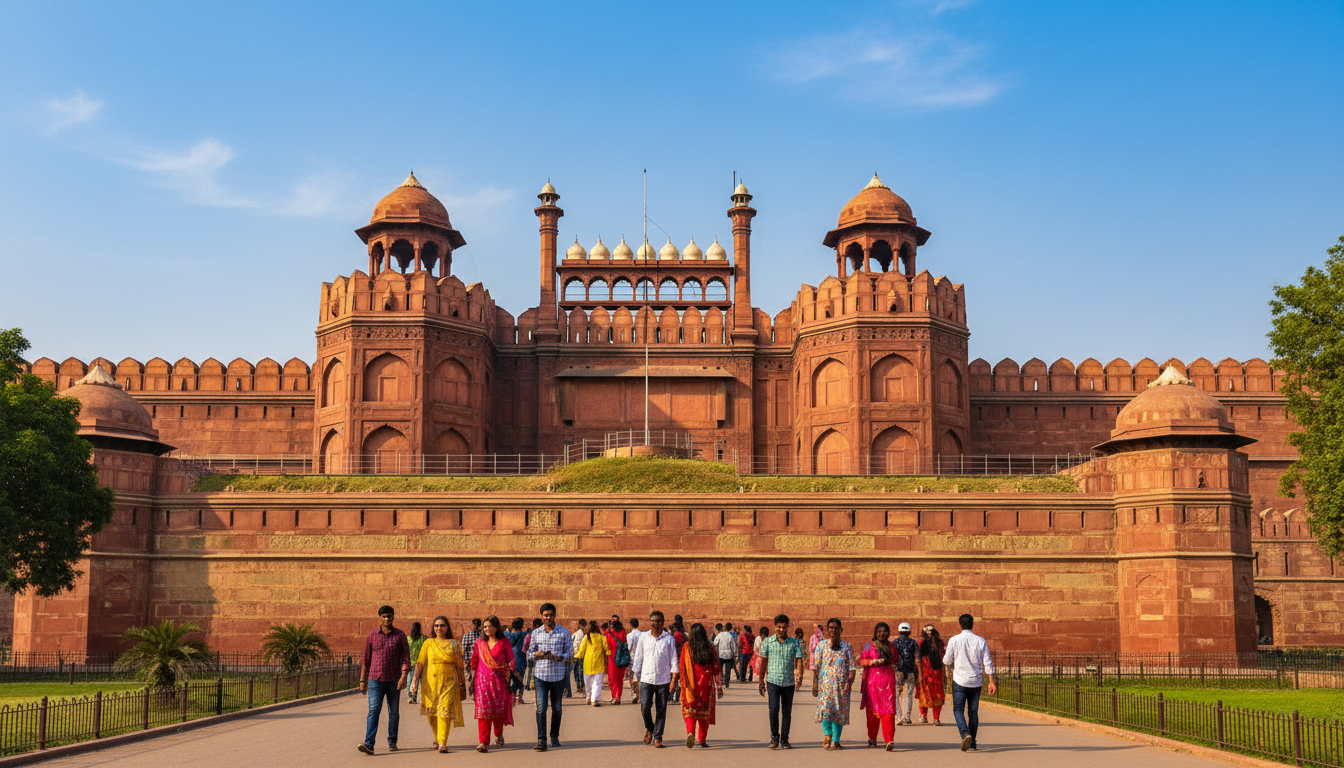
Red Fort (Lal Qila)
This magnificent red sandstone fortress served as the main residence of the Mughal emperors for nearly 200 years. Every Independence Day, the Prime Minister of India hoists the national flag here.
EXPLORE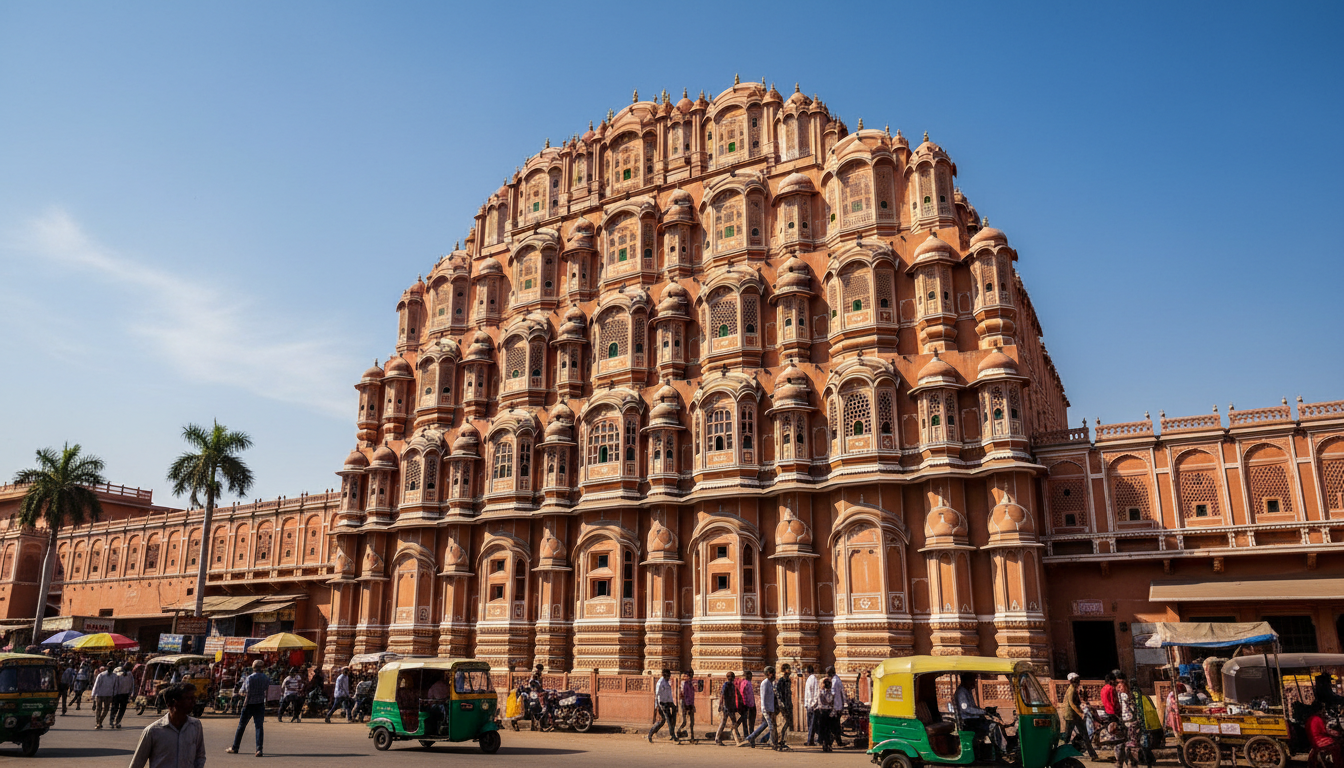
Hawa Mahal
The iconic "Palace of Winds" features 953 small windows adorned with intricate latticework. Built in 1799 by Maharaja Sawai Pratap Singh, it allowed royal women to observe street life without being seen.
EXPLORE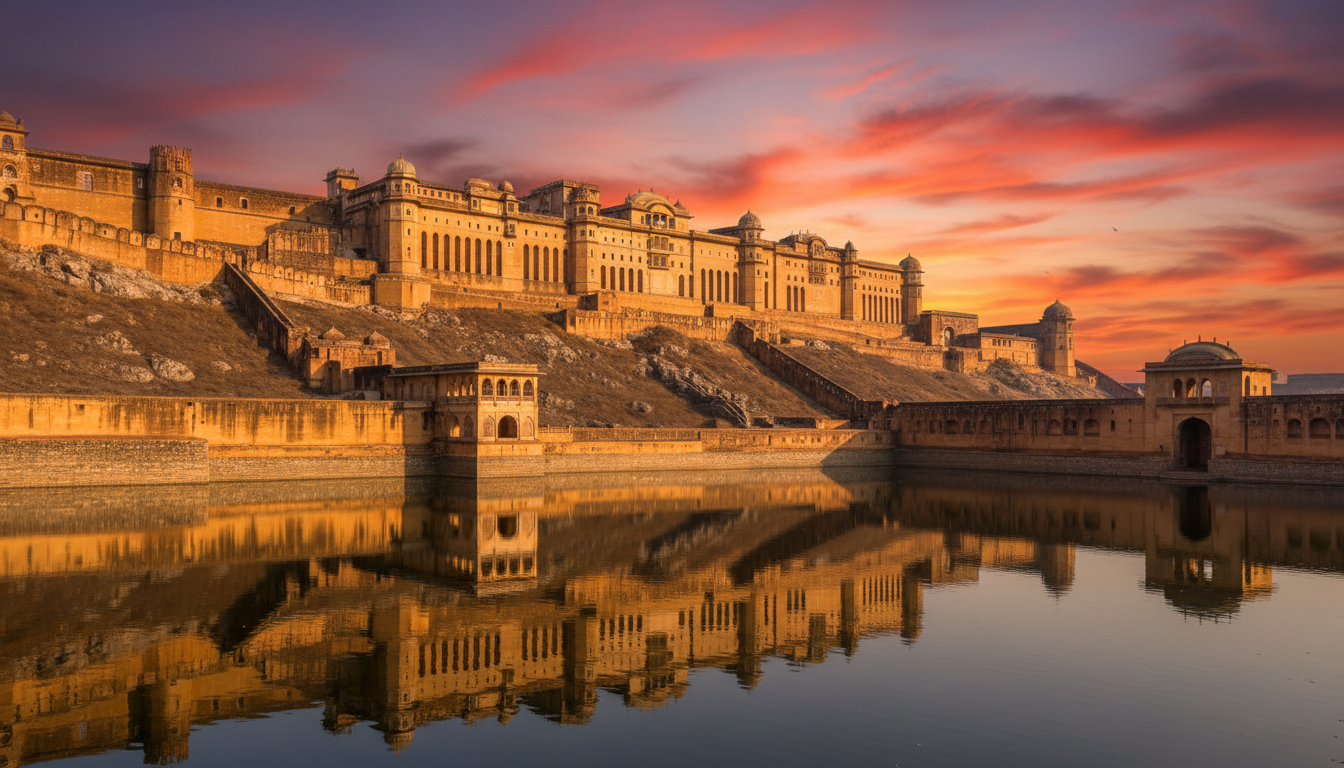
Amber Fort
Perched on a hilltop overlooking Maota Lake, this stunning blend of Hindu and Mughal architecture features the famous Sheesh Mahal (Mirror Palace), Diwan-i-Aam, and magnificent elephant rides up the fort.
EXPLORE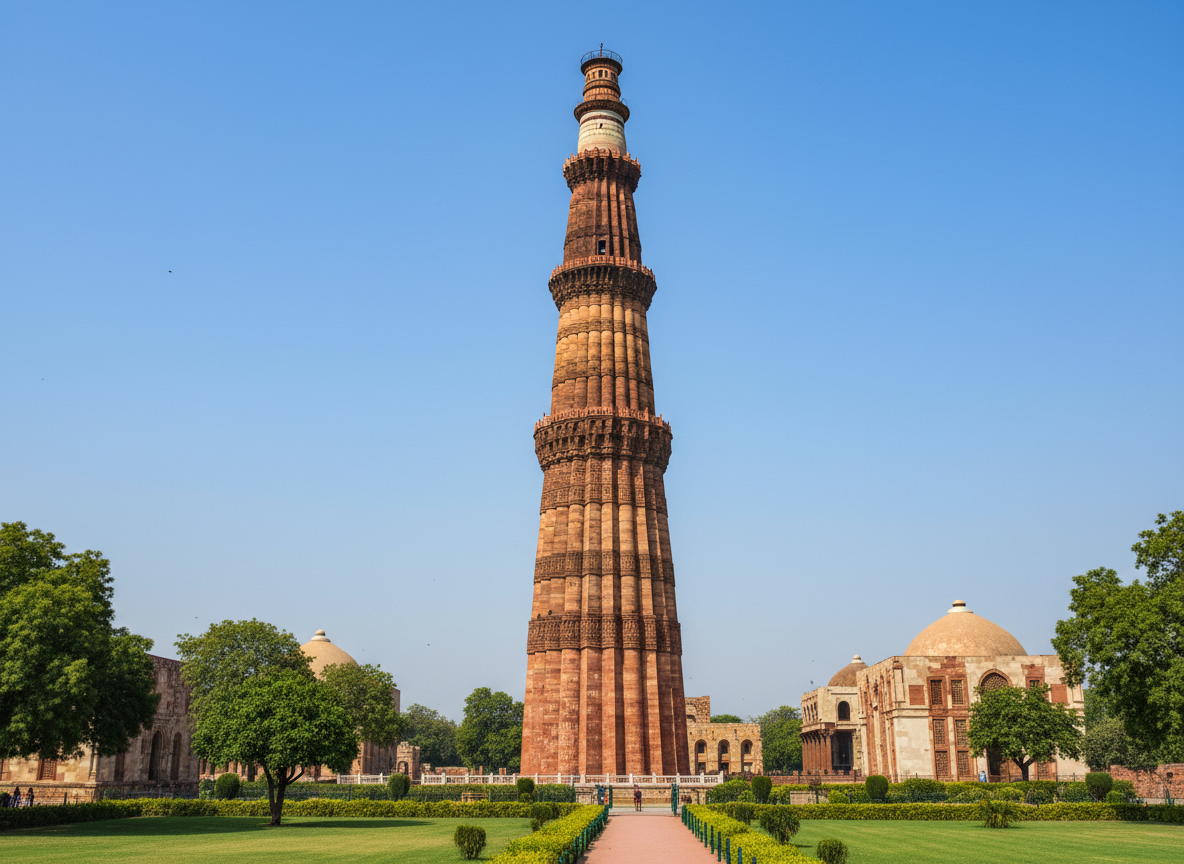
Qutub Minar
Standing at 72.5 metres, this is the tallest brick minaret in the world. Built in 1193 by Qutb-ud-din Aibak, the tower features intricate carvings and verses from the Quran on its red sandstone walls.
EXPLORE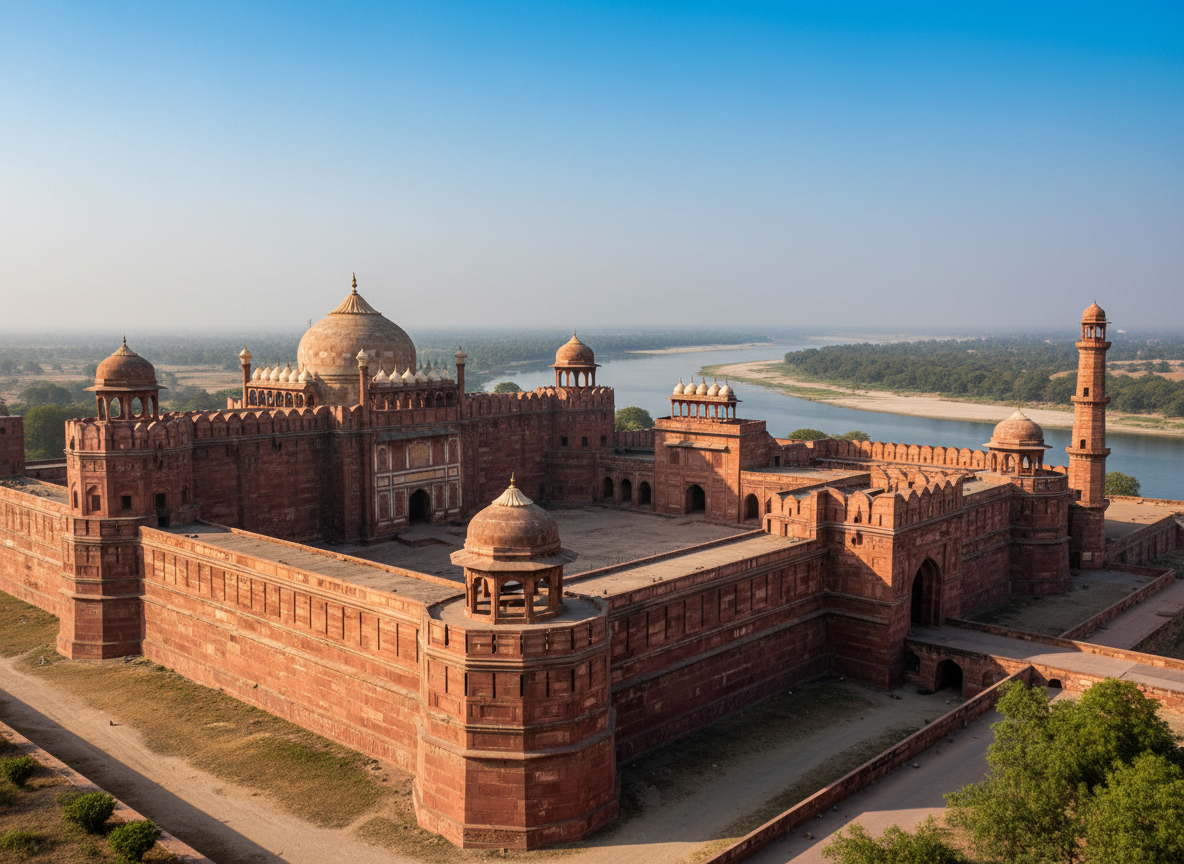
Agra Fort
This massive red sandstone fortress was the main residence of the Mughal dynasty emperors until 1638. It houses beautiful palaces like Jahangir Palace and Khas Mahal, and offers stunning views of the Taj Mahal.
EXPLORE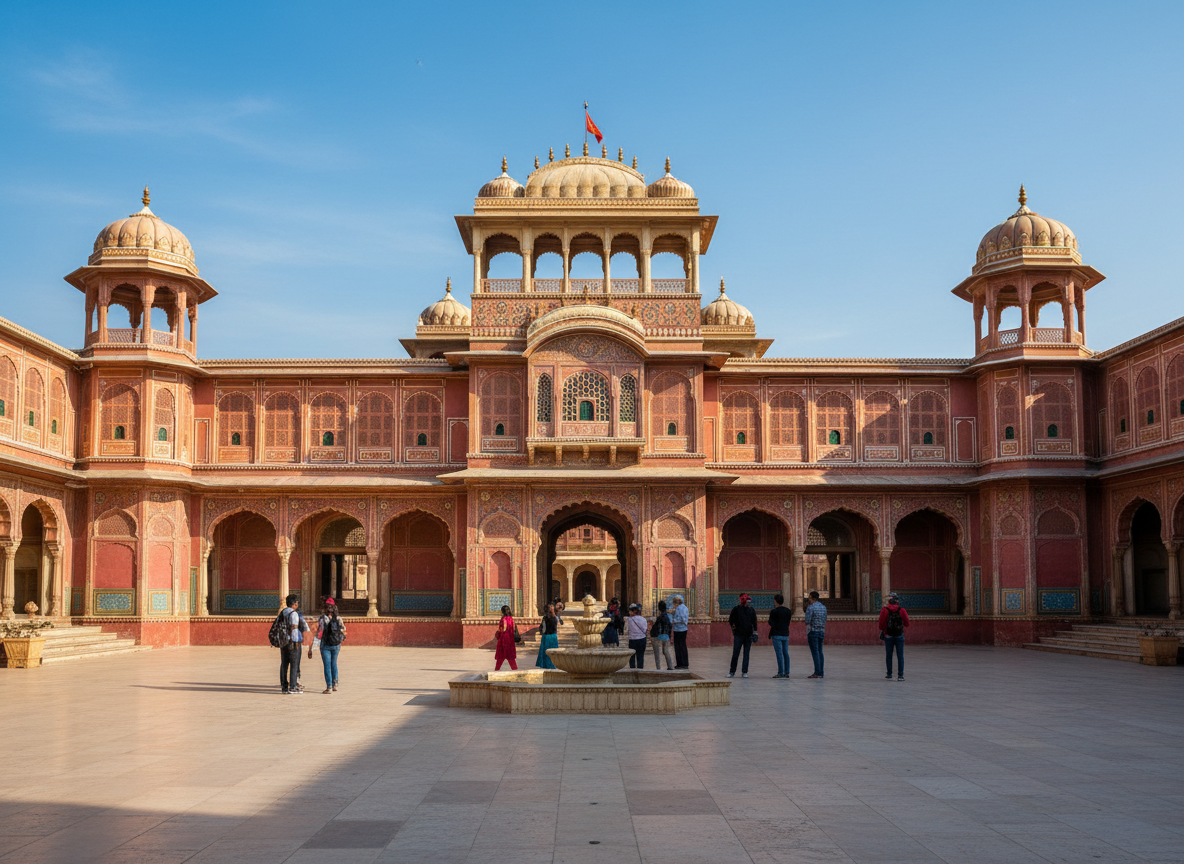
City Palace, Jaipur
A magnificent complex of courtyards, gardens, and buildings blending Rajasthani and Mughal architecture. The palace still houses the royal family and features the stunning Peacock Gate and Chandra Mahal.
EXPLORE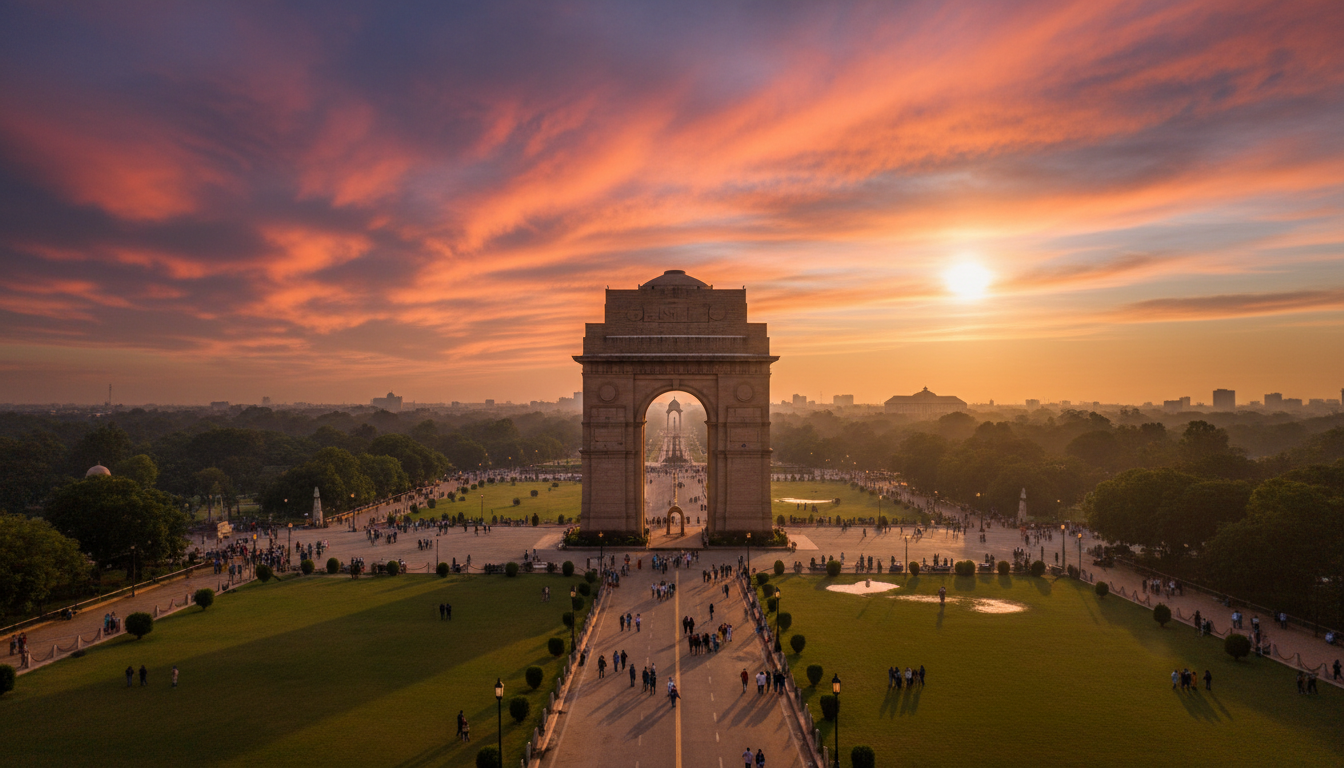
India Gate
This 42-metre tall war memorial stands at the heart of New Delhi, commemorating 70,000 Indian soldiers who died in World War I. The surrounding Rajpath lawns are perfect for evening strolls and picnics.
EXPLORE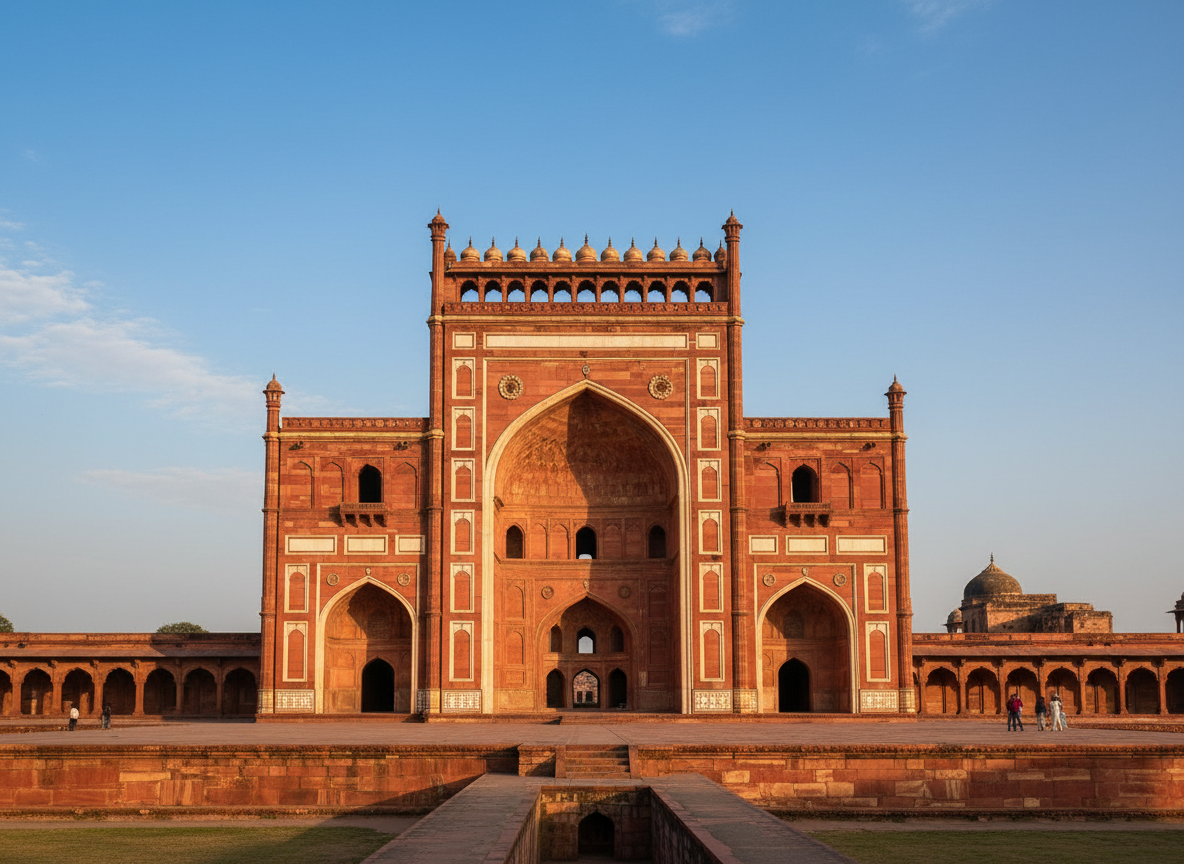
Fatehpur Sikri
This abandoned Mughal city, built by Emperor Akbar in 1571, is one of the best-preserved ghost cities in the world. Highlights include the Buland Darwaza (Gate of Magnificence) — the tallest gateway in the world.
EXPLORE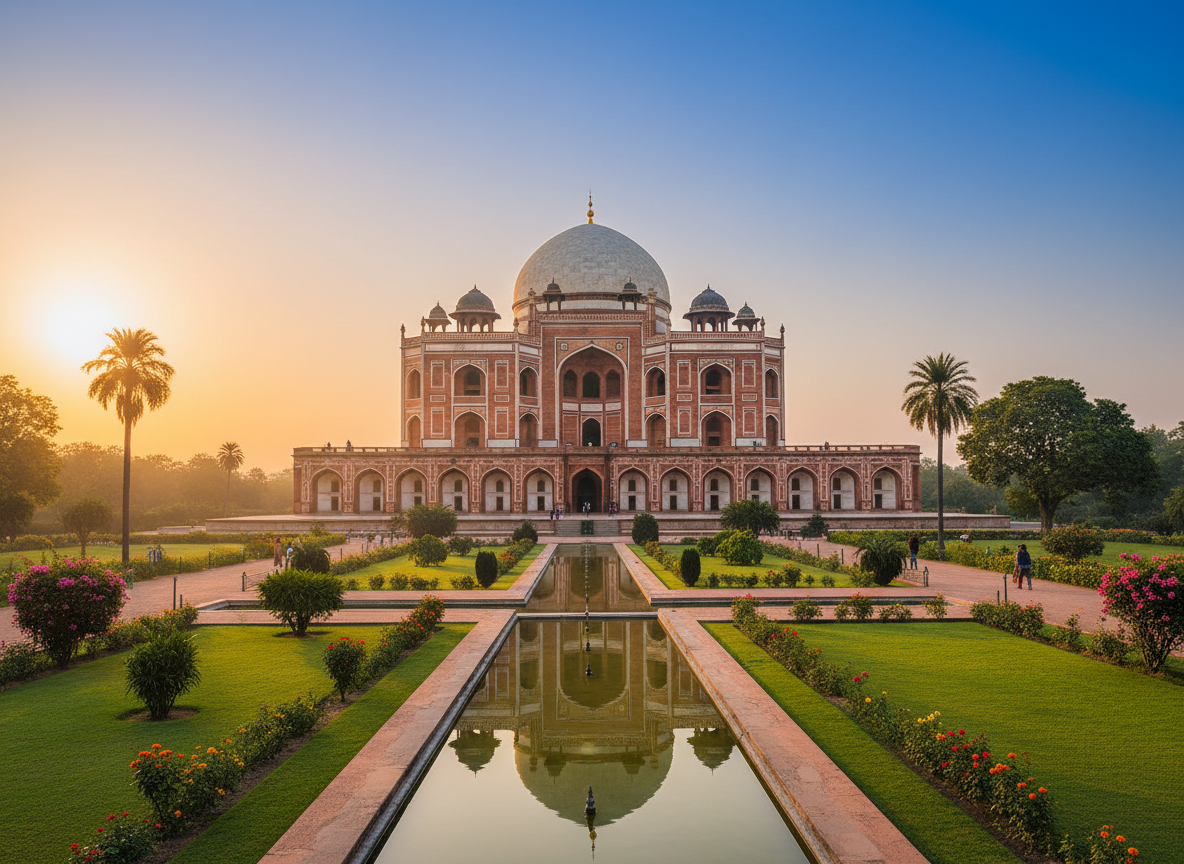
Humayun's Tomb
Built in 1570, this was the first garden-tomb on the Indian subcontinent and served as the inspiration for the Taj Mahal. The stunning Persian-style architecture features a double dome and beautiful Charbagh gardens.
EXPLORE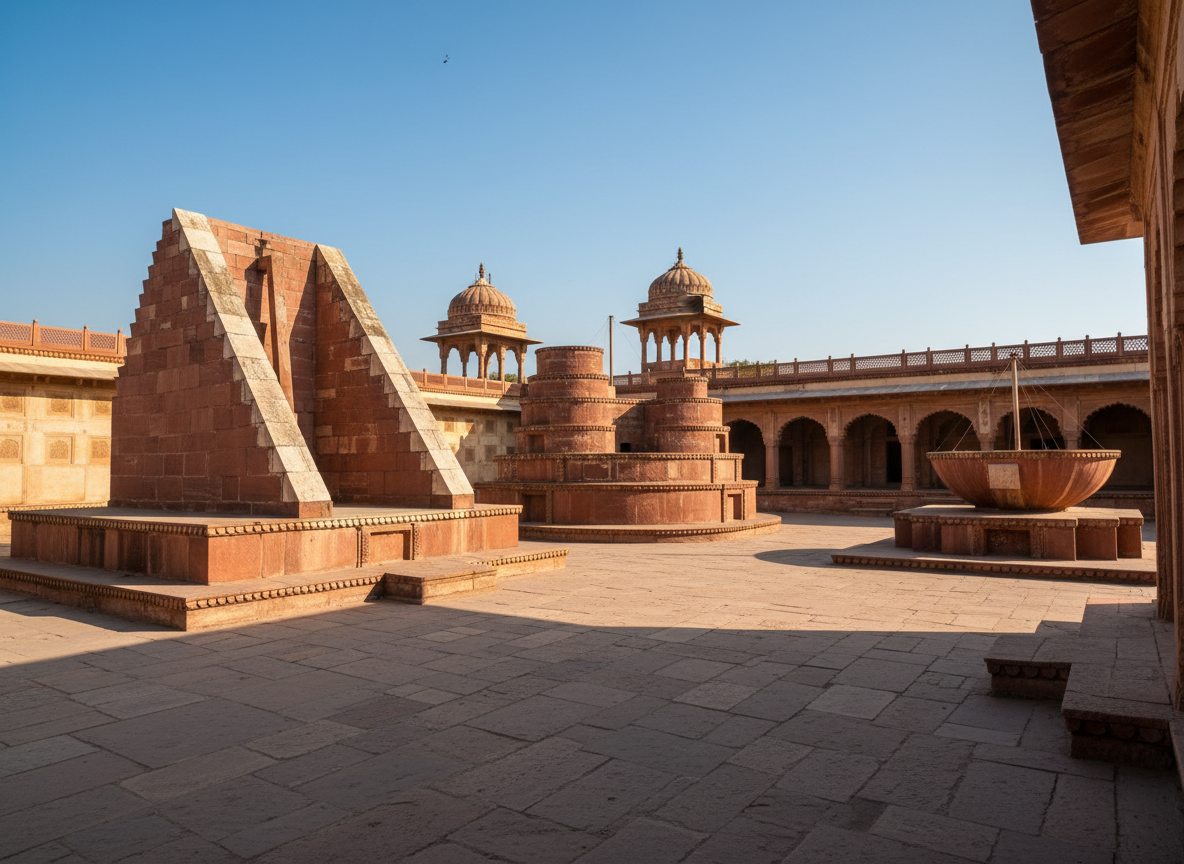
Jantar Mantar
The world's largest stone astronomical observatory, built by Maharaja Sawai Jai Singh II in 1734. It houses 19 astronomical instruments including the world's largest stone sundial, the Samrat Yantra.
EXPLORE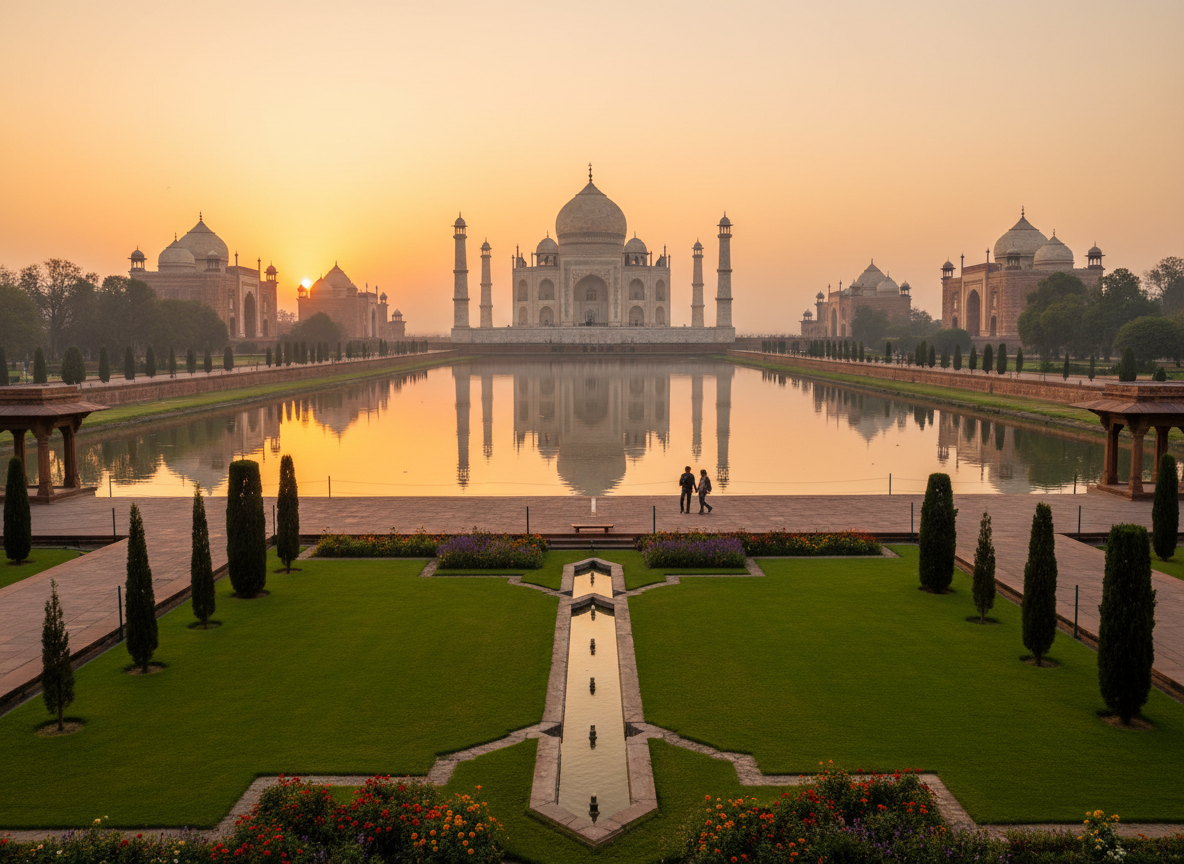
Mehtab Bagh
The "Moonlight Garden" offers the most spectacular sunset views of the Taj Mahal from across the Yamuna River. This charbagh complex was originally built by Emperor Babur as the last in a series of eleven gardens.
EXPLORE